
White House Flooded with Trade Requests After Trump’s Sweeping Tariff Move
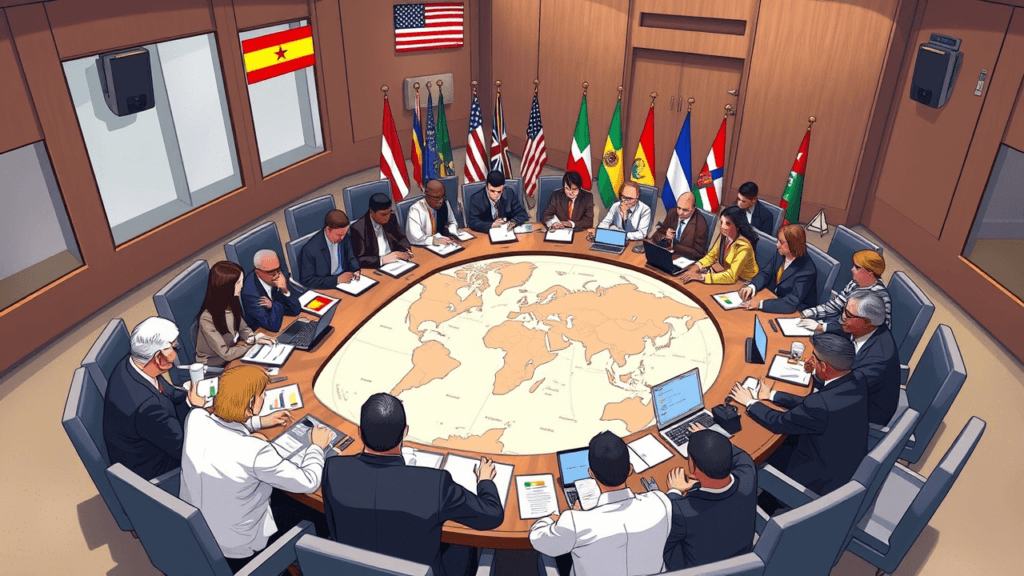
More than 50 countries have reached out to the White House to begin trade negotiations following President Donald Trump’s sweeping implementation of new tariffs. This surge in diplomatic engagement comes at a time when financial markets are grappling with heightened uncertainty, and U.S. officials are doubling down on their defense of the administration’s aggressive trade strategy.
During an interview on ABC News’ This Week, National Economic Council Director Kevin Hassett revealed that dozens of foreign governments have expressed interest in negotiating new trade deals with the United States, catalyzed by the sudden shifts in U.S. trade policy. According to Hassett, this influx of interest is a clear indication that the Trump administration’s hardline stance is prompting global recalibration of trade relations.
Administration Pushes Back on Financial Market Concerns
Hassett firmly denied allegations that the new tariffs are being used as a tool to deliberately destabilize financial markets in an attempt to coerce the U.S. Federal Reserve into lowering interest rates. This claim was brought into the spotlight after Trump shared a controversial video on Truth Social, insinuating that weakening the stock market could serve as a strategy to pressure the central bank.
“There is no political coercion of the Federal Reserve,” Hassett stated. “The President’s actions are grounded in a strategic vision for rebalancing global trade, not manipulating domestic monetary policy.”
U.S. Officials Maintain Confidence in Economic Resilience
In a separate interview on NBC’s Meet the Press, U.S. Treasury Secretary Scott Bessent downplayed recent stock market declines, insisting that there’s no credible basis to predict a recession triggered by the tariffs. Bessent pointed to strong U.S. employment numbers, noting that job growth continues to surpass expectations.
“We’re seeing job creation at levels well above what analysts had forecasted,” Bessent said. “There’s no indication from the labor market that we are heading into recession territory.”
Stock Market Volatility Tied to Tariff Turmoil
The announcement of broad import tariffs sent shockwaves through global financial markets. U.S. stock indices plummeted by nearly 10% over a 48-hour period following the tariff rollout. This marked the steepest two-day drop in five years—since the COVID-19 economic shock.
Analysts and economists attribute the slide to investor fears over increased inflation, supply chain disruption, and reduced global growth, all potential side effects of a full-scale trade war. The new tariff regime exceeded expectations in both scope and severity, leaving traders scrambling to reassess risk and reprice assets accordingly.
Global Reactions and Diplomatic Overtures Escalate
Amid the volatility, foreign governments are not retreating. Instead, they are pivoting toward diplomacy. The Trump administration’s tariff strategy appears to be catalyzing a wave of trade overtures. Hassett confirmed that more than 50 countries have made formal or informal contact with the White House to initiate trade talks.
These outreach efforts range from traditional allies to emerging economies eager to avoid being penalized under the new tariff framework. “The phone hasn’t stopped ringing,” one senior administration official remarked. “There’s a clear recognition that the rules of trade have changed—and the U.S. is now driving that change.”
Taiwan Responds Proactively: Zero Tariffs, Higher Investments
One of the most striking examples of international response came from Taiwan’s President Lai Ching-te, who proposed zero tariffs and the removal of all trade barriers as a foundation for discussions with the U.S. Rather than retaliating, Lai pledged increased Taiwanese investment in the American economy, presenting a model of constructive engagement.
“We’re ready to work with the U.S. to foster mutual economic growth,” Lai stated during a press conference. “We will eliminate tariffs and boost American-bound investments from Taiwanese firms.”
Reframing Tariffs as Strategic Realignment
Despite harsh criticism from mainstream economists, Hassett defended the tariffs as a necessary measure to reposition the United States within the global trade hierarchy. According to him, the economic disruption is temporary and strategic, designed to dismantle entrenched trade imbalances.
“The President’s actions are not about harming consumers,” Hassett explained. “We believe exporters will absorb the bulk of the price impact, and over time, American industries will emerge more competitive.”
Economists Remain Divided
While the administration maintains optimism, most economists continue to warn of the long-term risks of protectionism. They argue that tariffs historically lead to higher consumer prices, supply chain inefficiencies, and slower GDP growth. Furthermore, the Federal Reserve has already signaled that it views trade tensions as a downside risk for the economy.
Still, proponents of the tariffs argue that short-term pain may lead to long-term gains, particularly if the U.S. can negotiate better trade terms with key partners.
Looking Ahead: Markets Brace for More Volatility
As the world digests the implications of Trump’s aggressive trade pivot, analysts predict that markets will remain volatile in the coming weeks. Investors are anxiously watching for signs of progress in bilateral negotiations, potential retaliatory measures from countries like China and the European Union, and further statements from the White House.
The coming weeks will be critical in determining whether the administration’s gamble will lead to enhanced trade deals or prolonged economic uncertainty.
Conclusion: A Defining Moment for U.S. Trade Policy
The fact that more than 50 countries are now vying for trade negotiations with the U.S. underscores a fundamental shift in the global trade landscape. While the full economic impact of the tariffs remains uncertain, what is clear is that President Trump has jolted the world into action. As diplomacy heats up and markets continue to fluctuate, the United States finds itself in a position of leverage—but also under intense scrutiny.
Only time will tell whether this bold approach yields tangible results, but for now, the tariff-fueled transformation of global trade is well underway.